
jaweya1098: The Role of Emotional Intelligence in Education: Fostering Well-Rounded, Successful Students
Home
»
User Blogs
»
jaweya1098's Blog
»
The Role of Emotional Intelligence in Education: Fostering Well-Rounded, Successful Students
The Role of Emotional Intelligence in Education: Fostering Well-Rounded, Successful Students
29 Dec 2025 at 09:13am

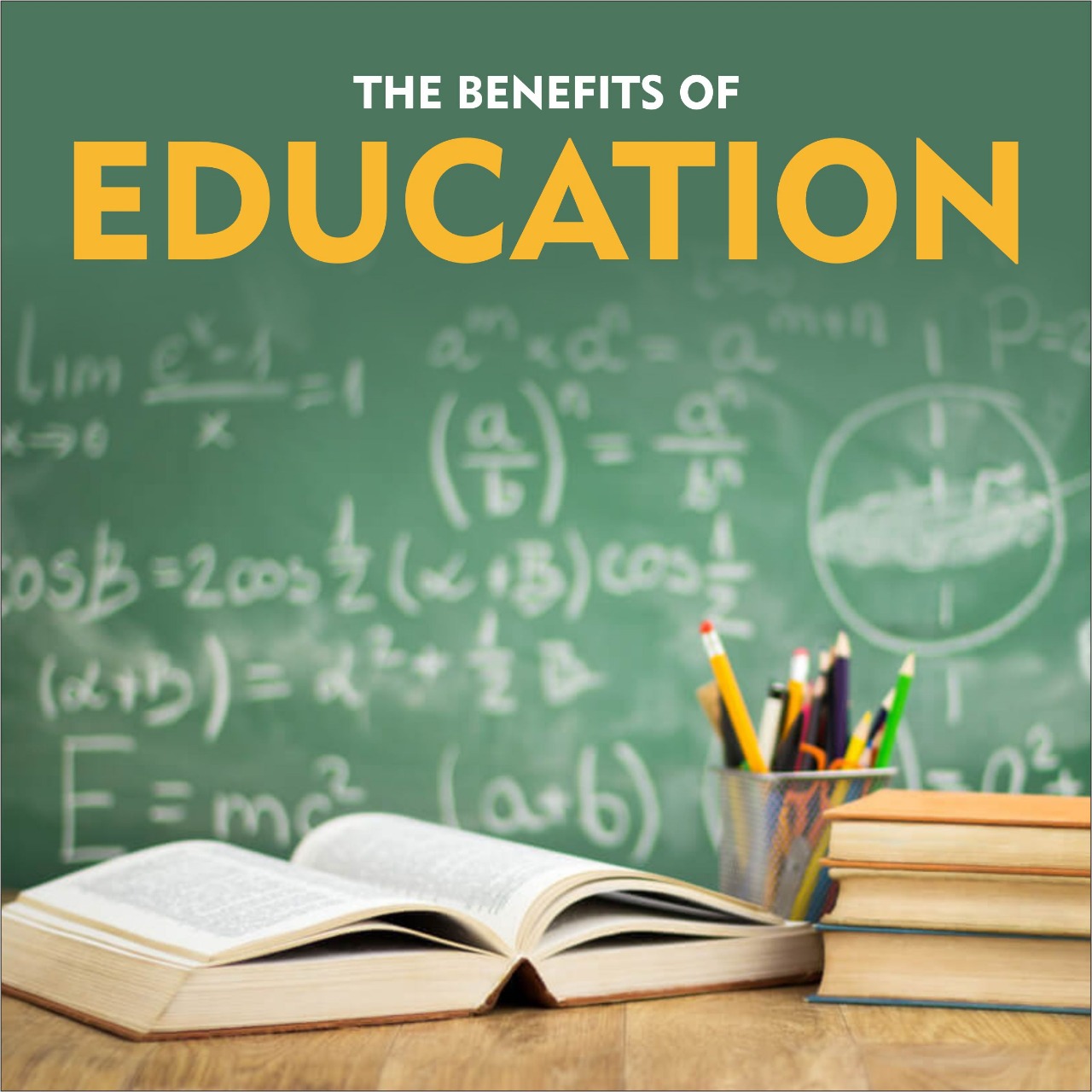
Education is often referred to as the "key to success," and for good reason. It is the foundation upon which individuals build their lives, careers, and societies. From providing knowledge to fostering critical thinking and creativity, education plays an essential role in shaping the future of individuals and communities around the world. In this article, we explore the multifaceted importance of education and its transformative power.
1. Empowering Individuals
At its core, education empowers individuals by providing them with the skills, knowledge, and confidence to navigate life. Whether it’s acquiring literacy and numeracy skills, learning a new language, or mastering complex concepts, education enables people to expand their capabilities and pursue their dreams. With education, individuals can break free from the limitations of poverty, improve their socioeconomic status, and create a better life for themselves and their families.
2. Promoting Social Equality
Education is a powerful tool for promoting social equality. It levels the playing field by giving everyone, regardless of their background, the opportunity to learn, grow, and succeed. In many parts of the world, education has been used as a means of empowering marginalized communities, providing them with the resources to challenge societal norms and fight discrimination. By offering equal access to quality education, societies can reduce the gap between the rich and poor, foster diversity, and promote inclusion.
3. Fostering Critical Thinking and Problem-Solving Skills
Education is not just about memorizing facts; it’s about learning how to think critically, solve problems, and make informed decisions. It encourages students to ask questions, analyze situations, and come up with innovative solutions. These skills are not only valuable in academic settings but are also crucial in everyday life and professional environments. A well-educated person is better equipped to handle challenges and contribute to society in meaningful ways.
4. Driving Economic Growth
An educated workforce is a major driver of economic growth. Countries with higher literacy rates and better access to education often experience stronger economic performance. Education boosts productivity, fosters innovation, and creates a more skilled workforce that can meet the demands of an evolving global economy. Furthermore, education opens up new opportunities for entrepreneurship, allowing individuals to create businesses that can contribute to job creation and economic development.
5. Building Stronger Communities
Education has the power to bring people together and create stronger communities. When individuals are educated, they are more likely to participate in civic activities, vote, and contribute to their local communities. Moreover, education helps individuals understand and appreciate different cultures, which is crucial in today’s increasingly globalized world. By promoting empathy and understanding, education can reduce conflict and foster collaboration among people from diverse backgrounds.
6. Improving Health and Well-being
There is a well-established link between education and health. Educated individuals are more likely to make informed decisions about their health, engage in healthier behaviors, and access healthcare services. Education also leads to better mental health outcomes, as it provides individuals with the tools to cope with stress, make positive life choices, and build strong relationships. By improving overall well-being, education contributes to longer life expectancy and a better quality of life.
7. Advancing Innovation and Technology
In the modern world, technology and educationinnovation are driving forces that shape our future. Education is the bedrock upon which technological advancements are built. From computer science to engineering, education equips individuals with the knowledge to develop new technologies, solve complex problems, and push the boundaries of innovation. As the world becomes more reliant on technology, investing in education, particularly in STEM (Science, Technology, Engineering, and Mathematics) fields, is essential for progress.
8. Encouraging Lifelong Learning
Education doesn’t end after graduation. In fact, the concept of lifelong learning has become increasingly important in today’s fast-paced world. With constant advancements in technology and changes in industries, individuals must continuously update their skills and knowledge. Lifelong learning ensures that individuals remain competitive in the job market, adapt to new challenges, and continue to grow personally and professionally. This mindset of continual learning fosters curiosity, adaptability, and resilience.
9. The Role of Education in Sustainability
As the world faces unprecedented challenges such as climate change, sustainability has become a crucial issue. Education plays a key role in raising awareness about environmental issues and teaching individuals how to live more sustainably. By equipping future generations with the knowledge and skills needed to address global challenges, education can drive positive change and contribute to a more sustainable future for all.
Conclusion: A Gateway to a Better Future
Education is much more than a formal process of gaining knowledge—it is a transformative experience that empowers individuals, strengthens communities, and drives progress. In a rapidly changing world, the importance of education cannot be overstated. By investing in education, we not only provide individuals with the tools to achieve their full potential but also contribute to a more just, prosperous, and sustainable world for all.
Let me know if you'd like me to adjust any p
Add comment