
jaweya1098: The Changing Face of Education: How Digital Tools and Platforms are Redefining Classroom Learning and Student Engagement
Home
»
User Blogs
»
jaweya1098's Blog
»
The Changing Face of Education: How Digital Tools and Platforms are Redefining Classroom Learning and Student Engagement
The Changing Face of Education: How Digital Tools and Platforms are Redefining Classroom Learning and Student Engagement
31 Dec 2025 at 07:58am

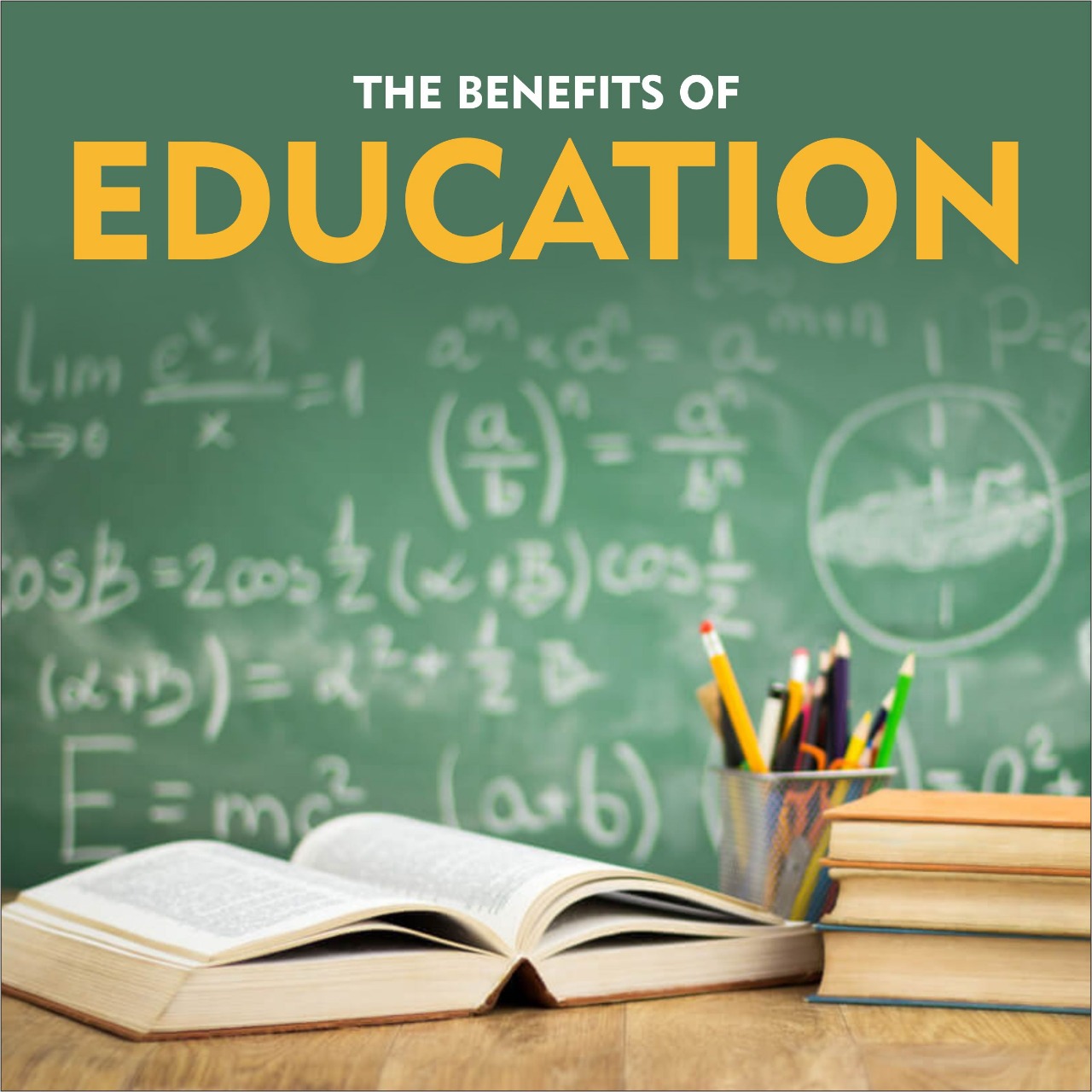
Education is often described as the key to unlocking opportunities, and for good reason. It serves as the foundation upon which individuals can build their lives, careers, and contributions to society. But the importance of education goes far beyond just acquiring knowledge; it is about developing critical thinking, fostering creativity, and preparing individuals for a rapidly changing world. This article explores the profound impact that education has on individuals, communities, and society as a whole.
1. Education as a Tool for Personal Growth
At its core, education is a journey of personal development. It is not just about memorizing facts or passing exams, but about cultivating curiosity and a love for learning. When people are exposed to diverse subjects, they begin to understand the world in new and exciting ways. From learning the basics of math and science to exploring history and literature, education offers a roadmap for self-discovery. It helps individuals identify their strengths and weaknesses, develop problem-solving skills, and build confidence in their abilities.
Moreover, education equips people with the skills necessary to navigate the complexities of everyday life. It teaches how to manage finances, communicate effectively, and make informed decisions. These life skills, often learned in school or through higher education, contribute to the overall well-being and success of individuals, both personally and professionally.
2. The Role of Education in Societal Development
Education is not just an individual endeavor; it is a communal and societal one. It plays a crucial role in fostering social cohesion and reducing inequalities. By providing everyone with the opportunity to learn, societies create a more level playing field. Education helps break the cycle of poverty by offering people the tools they need to succeed and contribute to their communities.
Moreover, education promotes civic engagement and social responsibility. An educated populace is more likely to participate in democratic processes, whether it's voting, engaging in community activism, or advocating for policy changes. Educated individuals are more aware of their rights and responsibilities, leading to more active and informed citizenship.
3. The Global Importance of Education
In today's interconnected world, education is more important than ever. As technology advances and global challenges such as climate change, poverty, and health crises emerge, the need for educated minds to tackle these issues grows. Education fosters innovation, encouraging individuals to think critically and develop creative solutions to global problems. From addressing the digital divide to finding sustainable energy solutions, the impact of education on global progress cannot be overstated.
Additionally, in a globalized economy, education is the key to economic growth and development. Countries with high levels of education are better equipped to compete on the international stage. They are more likely to produce skilled workers, attract investment, and drive technological advancements. For individuals, education opens doors to career opportunities and a higher quality of life.
4. The Challenges in Achieving Universal Education
Despite the clear benefits of education, millions of people worldwide still lack access to quality education. According to UNESCO, there are still over 260 million children and youth who are out of school. Factors such as poverty, gender inequality, and geographic location continue to prevent many from receiving an education.
The digital divide is another significant challenge in today’s education landscape. As more learning moves online, students in underserved regions may not have access to the necessary technology or internet connectivity to participate in digital education. This gap exacerbates existing inequalities and highlights the urgent need for policies and initiatives that promote inclusive and equitable education for all.
5. The Future of Education: Embracing Change
As we look to the future, education must adapt to meet the needs of a rapidly changing world. The rise of artificial intelligence, automation, and other technological advancements presents both challenges and opportunities for the education system. For example, while automation may replace certain jobs, it also creates a demand for new skills and industries. This means that education must evolve to equip individuals with the skills needed to thrive in the future workforce.
Moreover, the traditional classroom model is evolving. Online learning, blended classrooms, and digital tools are becoming increasingly important in delivering education. These innovations have the potential to make learning more accessible and personalized, enabling students to learn at their own pace and on their own terms.
However, as education becomes more digitized, it’s crucial that we do not lose sight of the human element. Teachers, mentors, and educational leaders play an irreplaceable role in fostering critical thinking, emotional intelligence, and social skills that cannot be taught solely through technology.
Conclusion
Education is more than just a means of acquiring knowledge; it is a tool for shaping individuals, communities, and societies. It empowers people to pursue their passions, contribute to the greater good, and adapt to an ever-changing world. However, in order to truly unlock the potential of education, we must address the barriers that prevent access t educationngro quality learning opportunities and ensure that education systems evolve to meet the needs of the future. In the end, investing in education is an investment in the future—a future where every individual has the opportunity to thrive and contribute to the world in meaningful ways.
Add comment