
reenaandorson's Blog
Ivermectin for Parasitic Infections: What Patients Should Know
Ivermectin for Parasitic Infections: What Patients Should Know
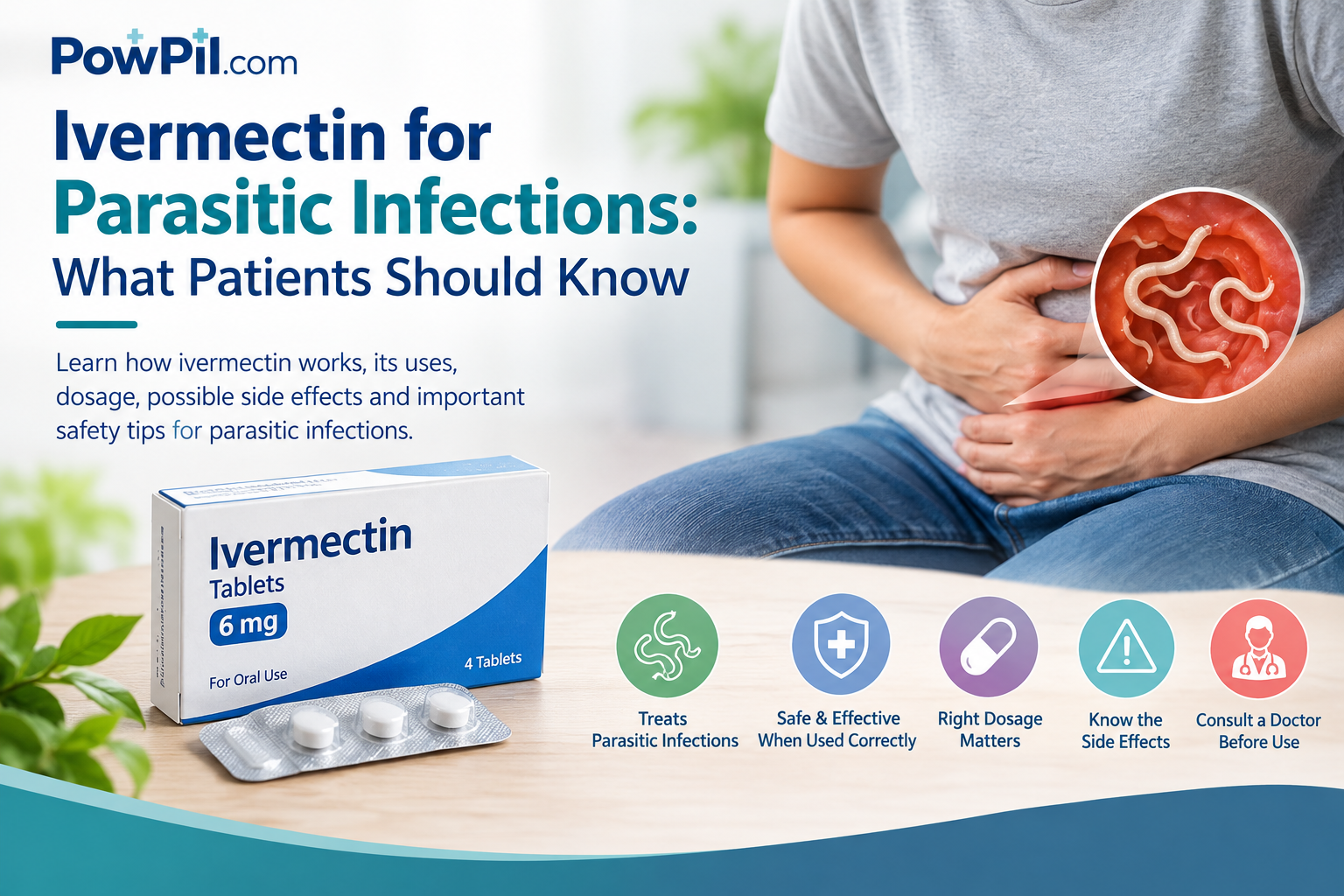
Parasitic infections can affect different parts of the body and may cause symptoms such as abdominal discomfort, diarrhea, itching, skin changes, or weakness. Depending on the type of parasite, healthcare professionals may recommend specific antiparasitic medicines. Ivermectin 12 mg (Iverheal) is one oral ivermectin formulation used in certain parasitic infections. However, ivermectin is not appropriate for every type of parasite, so diagnosis and medical guidance are important before treatment.
What Is Ivermectin?
Ivermectin is an antiparasitic medicine belonging to a class called anthelmintics. Oral ivermectin is used to treat certain infections, including strongyloidiasis and to control onchocerciasis. It may also be prescribed for some other parasitic conditions depending on a healthcare professional's assessment.
The ivermectin 12 mg tablet contains 12 mg of ivermectin. Products such as Ivermectin 12 mg (Iverheal) should be used according to the directions provided by a qualified healthcare professional. The strength of a tablet does not mean that the same dose is appropriate for everyone.
Ivermectin 12 mg Tablet Uses
The specific ivermectin 12 mg tablet uses depend on the diagnosed infection. Oral ivermectin is commonly associated with treatment of strongyloidiasis, an intestinal infection caused by a roundworm, and management of onchocerciasis, also known as river blindness.
Healthcare professionals may also use ivermectin for certain other parasitic conditions, such as particular roundworm infections, scabies, or lice, when clinically appropriate. These uses can involve different treatment approaches, so patients should not assume that a 12 mg tablet is suitable for every condition.
Ivermectin Dosage for Humans
The ivermectin dosage for humans depends on factors such as the type of infection, body weight, age, medical history, and other medicines being taken. Some conditions may be treated with a single oral dose, while others can require additional treatment or follow-up. For example, people treated for onchocerciasis may require further doses at intervals determined by their healthcare provider.
For this reason, patients should take ivermectin exactly as prescribed rather than choosing a dose themselves. Do not increase the dose or repeat treatment because symptoms have not improved immediately.
How Long Does It Take for Ivermectin to Kill Parasites?
A common question is, How long does it take for ivermectin to kill parasites? There is no single answer because the response depends on the parasite, infection, and individual patient.
Ivermectin can act against susceptible parasites, but elimination of the infection and improvement of symptoms may take time. Some infections also require follow-up testing. For strongyloidiasis, for example, Powpil notes that stool examinations may be performed during the months following treatment to determine whether the infection has cleared.
Therefore, feeling better or not feeling better immediately does not necessarily indicate whether treatment has completely eliminated the infection.
Important Safety Considerations
Ivermectin should be taken only when recommended by a qualified healthcare professional. Possible side effects can include dizziness, nausea, vomiting, diarrhea, stomach discomfort, weakness, and other reactions. Serious symptoms such as severe rash, confusion, or loss of consciousness require prompt medical attention.
Patients should also tell their healthcare provider about existing medical conditions, pregnancy or breastfeeding, and all prescription medicines, supplements, or other products they use.
Importantly, ivermectin for human use is different from veterinary ivermectin products. Animal formulations should never be substituted for medicines intended for humans.
Final Thoughts
Ivermectin can be an effective treatment for certain parasitic infections when used appropriately. Whether ivermectin 12 mg is suitable depends on the specific diagnosis and individual patient factors. Rather than self-treating, patients should seek professional medical advice for the correct medicine, dosage, and follow-up. Proper diagnosis is essential because different parasites require different treatments.